This section is a global section that will be seen on all pages
Top Content Title
This is an additional section to be able to add content
Equipment Checklist - Pre-School
To ensure our youngest skaters are safe, comfortable, and warm while taking their first strides on the ice, please follow these guidelines for our Pre-School program.
Mandatory Helmet & Face Shield Policy
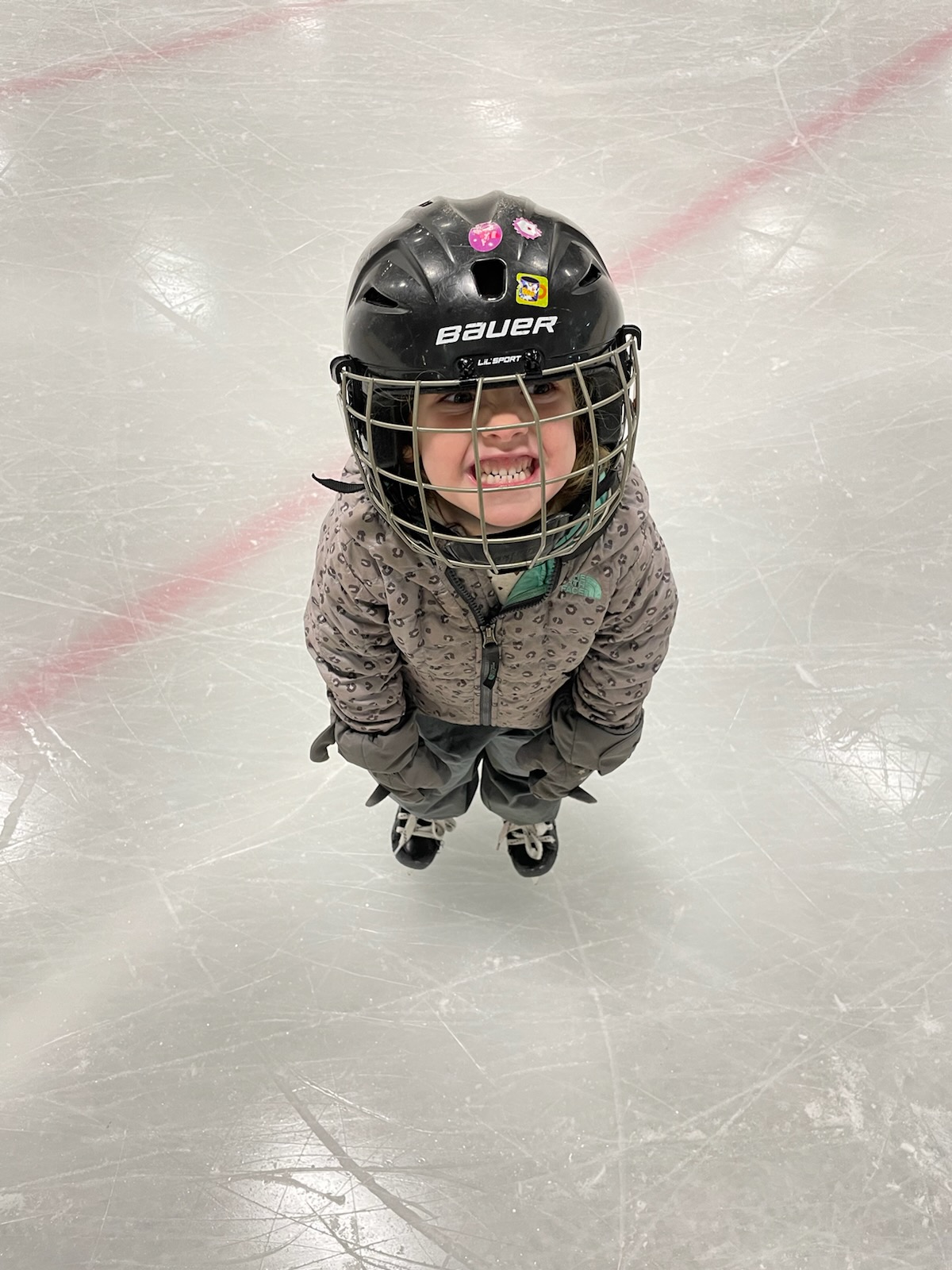
Because pre-schoolers are just learning their balance, safety is our top priority. All skaters in the Pre-School program must wear a CSA-approved helmet equipped with a full face shield or cage at all times.
- Safety Standards: Helmets must be CSA-approved (look for the sticker).
- Mandatory Style: CSA-approved hockey helmets with a full face cage or shield are mandatory. The full face shield provides essential protection for early beginners as they navigate their first strides and falls.
- Prohibited: Ski helmets, cycling helmets, or helmets without a full face shield/cage are strictly prohibited in this program.
- Fit: The helmet should fit snugly and sit low enough to cover the forehead entirely.
Choosing the Right Skates & Maintenance
Proper fit and support are key to helping young children build balance and confidence on the ice:
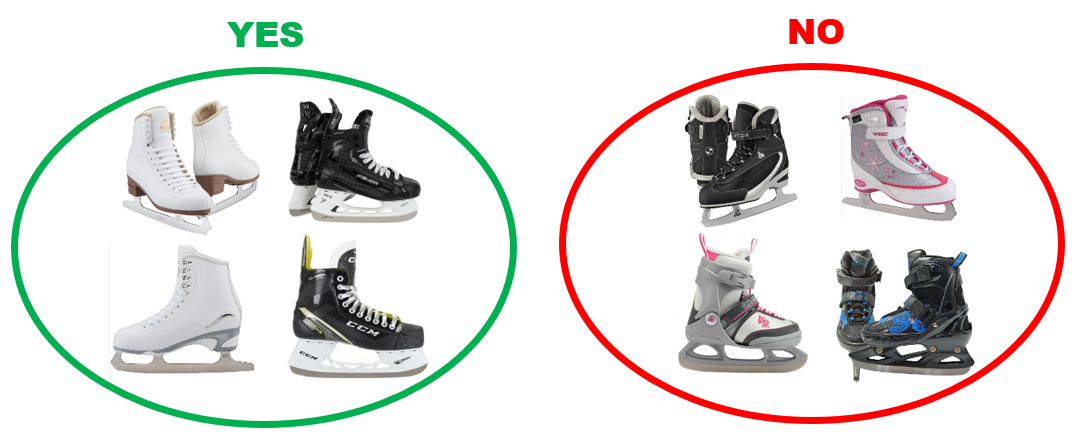
- Hockey Skates (Recommended): Hockey skates are highly recommended for pre-school beginners. They help children learn proper technique by pushing to the side to stride, rather than relying on a toe pick for balance.
- Figure Skates: Figure skates are also welcome if your child prefers them.
- Prohibited Skates: "Bob Skates" (double-bladed skates that strap onto regular winter boots) are strictly prohibited. These do not provide the ankle support needed to learn how to skate.
- What to Avoid: We strongly discourage Softec, K2, or plastic-shell recreational skates, as they lack the necessary ankle support for proper technique.
- Sizing Note: Do not buy skates with "room to grow" like regular shoes. Skates must fit snugly to provide proper ankle stability and prevent painful rubbing or blisters.
- Buying Used: If purchasing second-hand skates, check that the ankles still offer firm support and are not creased or broken down.
- Sharpening: Have skates sharpened before the first session and approximately every 10-12 hours of ice time thereafter.
- Blade Maintenance: Always use hard plastic guard covers when walking off the ice, and wipe blades dry with a towel after every session before storing them in soft cloth soakers to prevent rust.
3. Warm & Dry Clothing Pre-schoolers spend a fair amount of time on the ice (and sometimes sitting on it!), so staying warm and dry is essential.
- Layers over Bulk: While snowsuits are allowed, they can be bulky and make it difficult for young children to move or get back up after falling. We suggest warm, flexible layers topped with a lightweight waterproof shell or splash pants.
- What to Avoid: Blue jeans are not permitted, as they absorb moisture quickly and become heavy and cold.
- Hands: Waterproof gloves or mitts are strongly recommended. Cold, wet hands are the fastest way to end a fun session!
- Hair: Long hair must be securely tied back (even under a helmet) to keep the skater's vision clear.
Bottom Content Title
This is an additional section to be able to add content